
Most of the coast of Kenya has no underground sweet water — the groundwater is brackish, with a salt content that makes it unusable for human consumption. In these cases, people rely either on rainwater catchment, or on desalination of brackish well water.
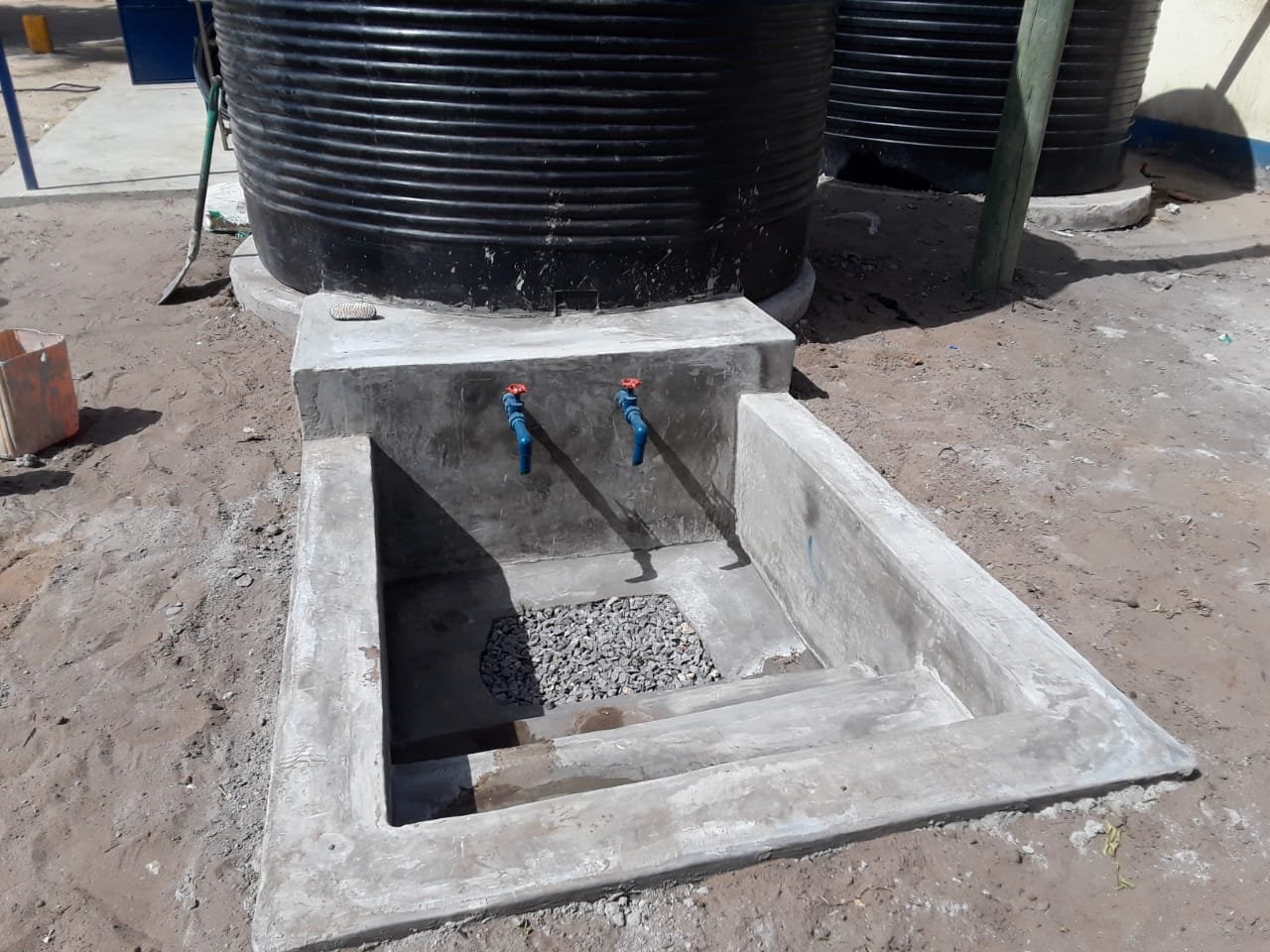
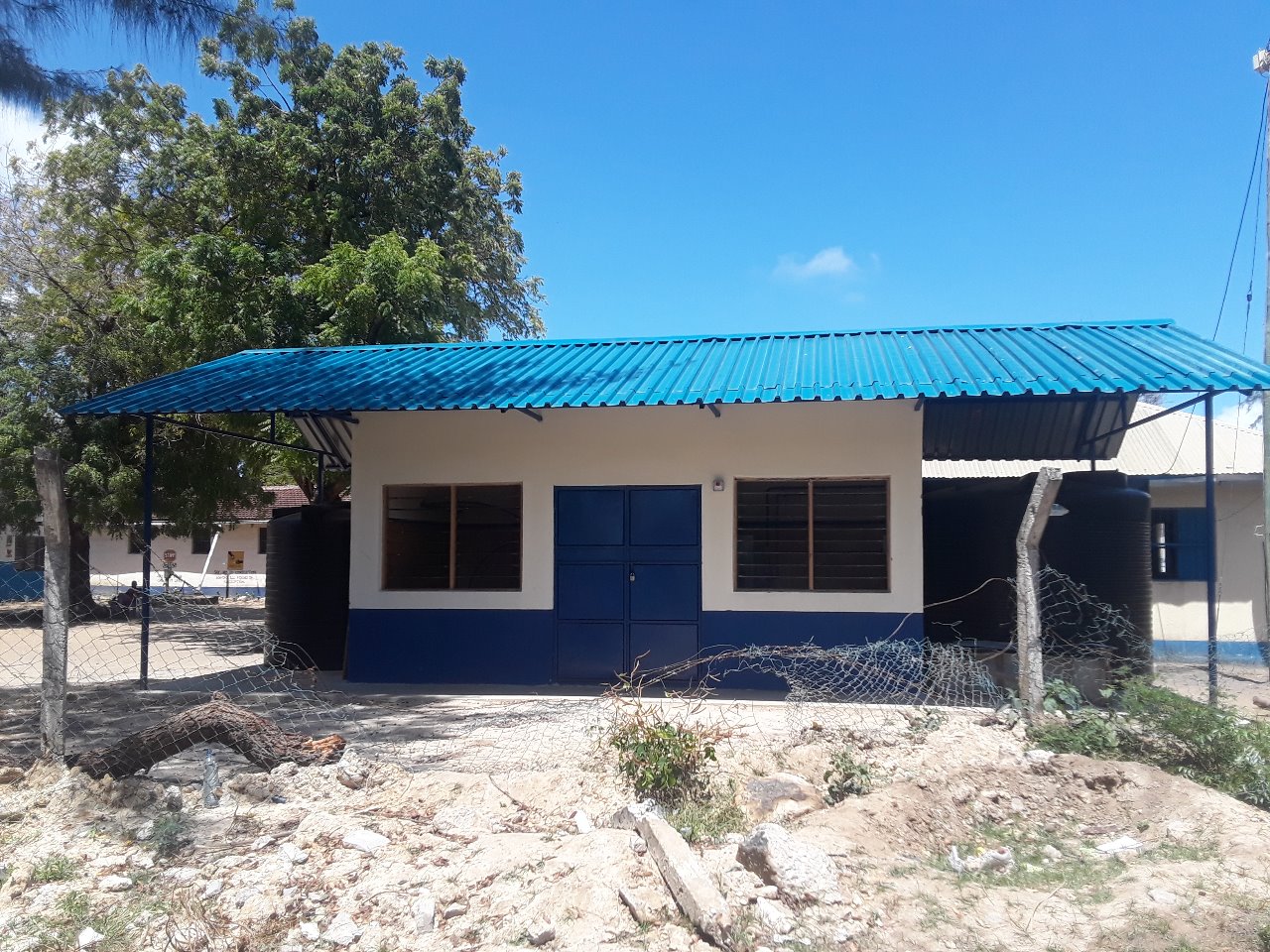
A four-person modern household requires an average of 12 m³ (12,000 litres) per month (washing machine, flush toilets, showers, etc.). To satisfy this demand, there needs to be a water storage facility providing water for 10 months (120 m³). While the water itself is free, as it is collected during the rain season from roofs and terraces, the storage facility is a major investment and requires space.
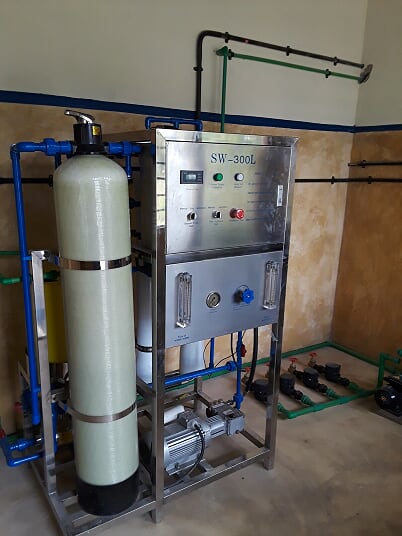
The water then needs to be filtered and UV-treated, after which it can be used anywhere in the house, as it is 100% drinking water. There is also the possibility of desalinating brackish water through a process called reverse osmosis, which removes all salts, bacteria, and harmful chemicals from the water. The technical requirements for such a system vary with the quality of the water from your well or borehole.
The WHO classifies water in the following way:
Most wells in coastal regions fall within the brackish-to-saltwater range. Provided there is an electricity connection, reverse osmosis (RO) systems can be used to clean the water to pure drinking-water quality. RO systems are available in all sizes, from 10 litres per hour to several tonnes (m³) per hour — though these systems represent a real investment and require a minimum of peripheral structure (tanks).
As noted, the type of system required depends directly on the quality of the water at hand — producing drinking water from fully saline water is considerably more cost-intensive than from brackish water. Lamu Realty provides water filtration and RO systems for all requirements — please ask us for a quotation.